
LATEST NEWS

In an ideal world, youth soccer is a meritocracy, the most talented, hardest-working players rise through the ranks, and coaches select lineups based on skill, dedication, and potential.
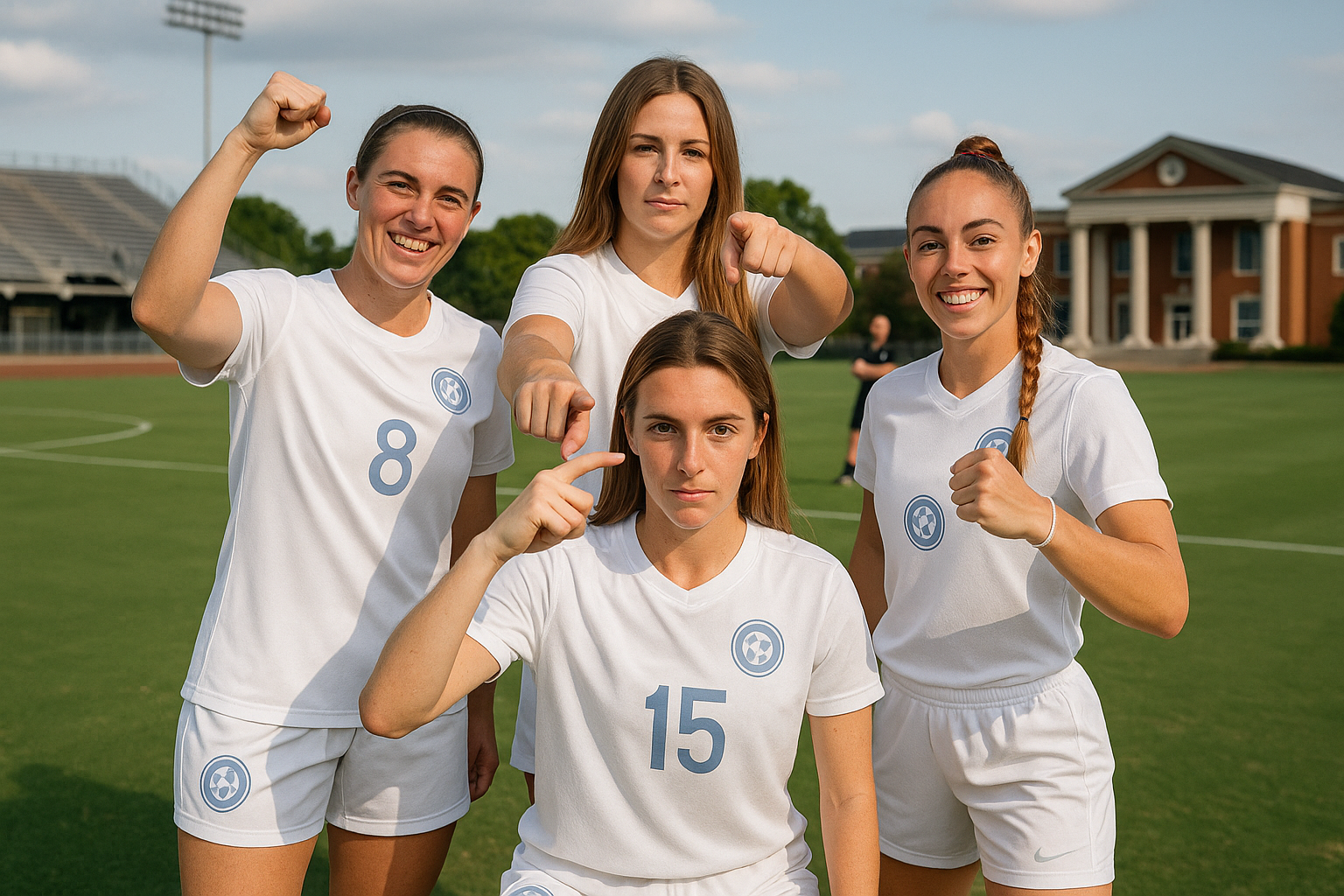
Every year, thousands of high school soccer players across the United States sign up for College ID Camps, drawn by glossy promotional videos, social media highlights, and the hope of catching a college coach’s eye.

The football world is buzzing with a proposal that could see Villarreal and Barcelona take their December 20, 2025, La Liga fixture far from Spain’s shores and into the heart of South Florida, Hard Rock Stadium, Miami.
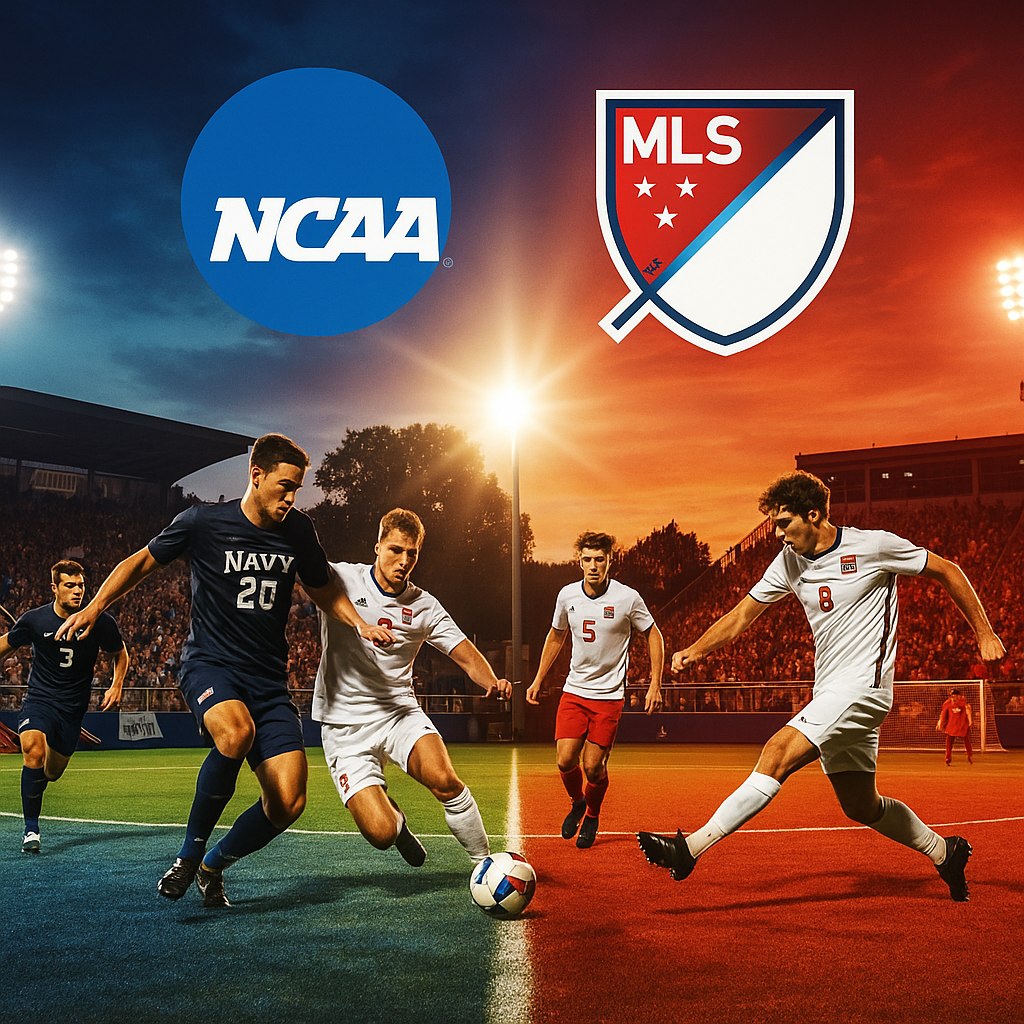
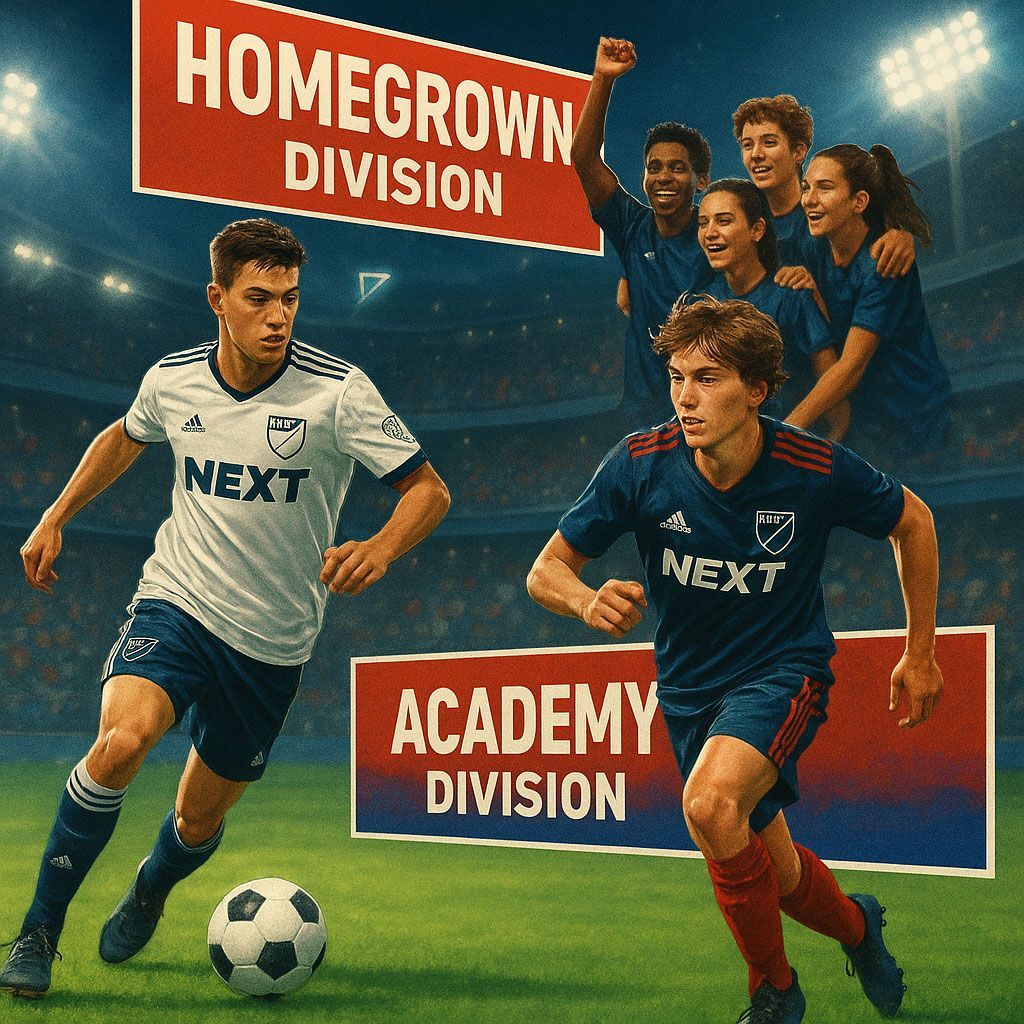

Youth soccer in the United States is filled with passion, dedication, and sacrifice. Families invest significant amounts of time, energy, and money to support their children’s dreams, often committing thousands of dollars each year to programs ranging from local leagues to elite academies.

UEFA has temporarily blocked LaLiga’s attempt to stage the Villarreal vs Barcelona league match in Miami this December. The Spanish federation (RFEF) and LaLiga had pushed for the December 20th clash to be played at Hard Rock Stadium, marking the first official LaLiga fixture outside Spain.
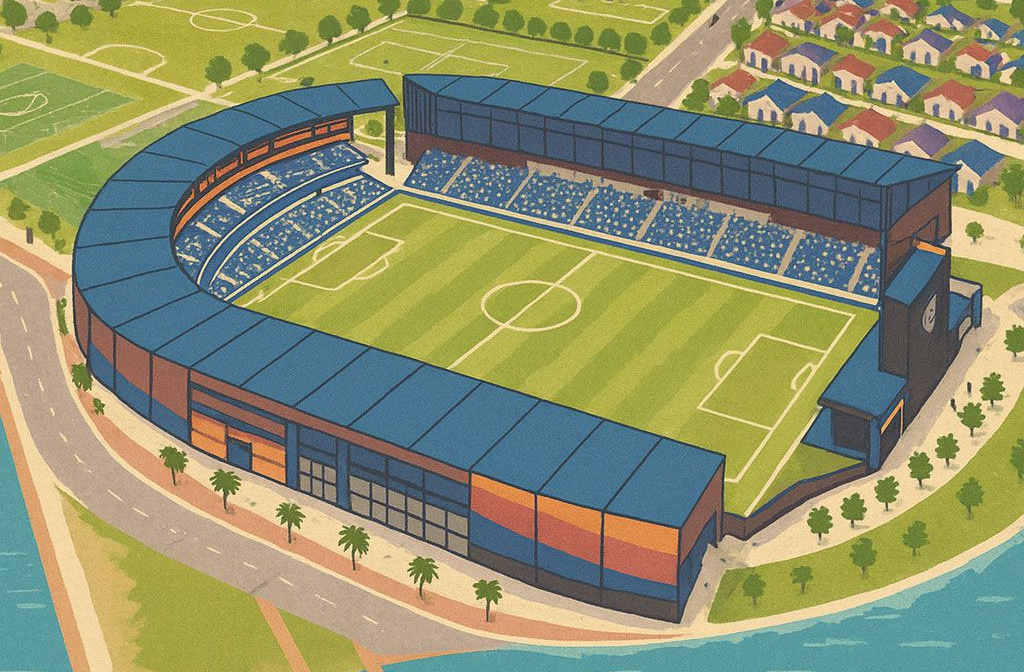
Miami FC is planting deep roots in South Florida with an ambitious plan that could reshape the region’s soccer landscape. On September 18, 2025, the club announced it will anchor a brand-new Sports Performance Hub (SPH) in Homestead, a $300 million, 80-acre development that blends professional facilities with community access.
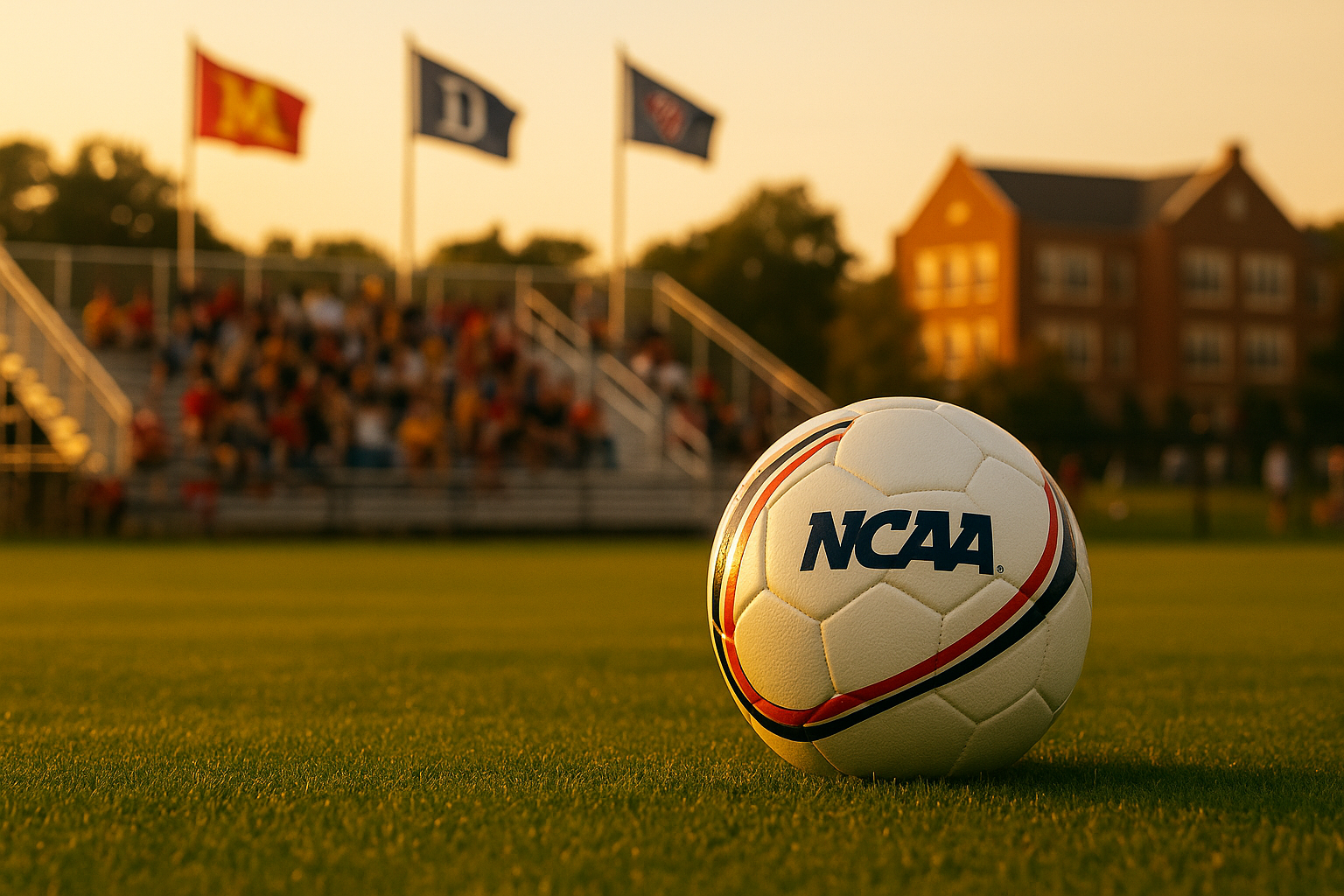
The Federation and the NextGen College Soccer Committee release a White Paper outlining a new vision for the future of U.S. college soccer.
In a move that could reshape the landscape of American college soccer, the U.S. Soccer Federation and the NextGen College Soccer Committee have released a strategic document, a White Paper, designed to modernize and strengthen the collegiate system as a critical part of player development in the United States.
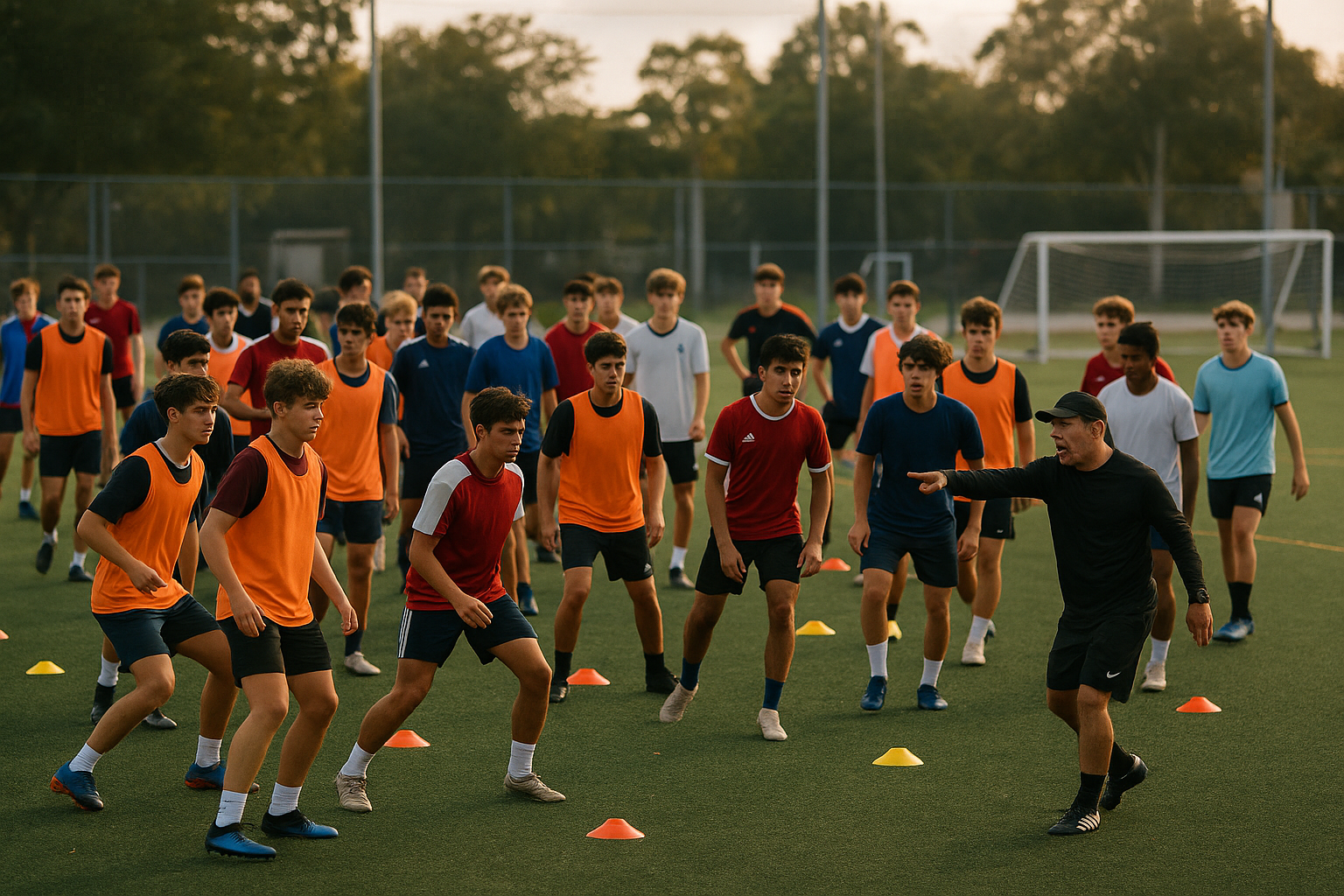
Across South Florida, dozens of clubs proudly promote themselves as elite or academy-level programs. They use words like pathway, development, and professional environment to attract ambitious families.
But what happens when those promises collide with reality, when “elite” training means thirty players crammed onto half a field with one coach, all fighting for a touch of the ball?
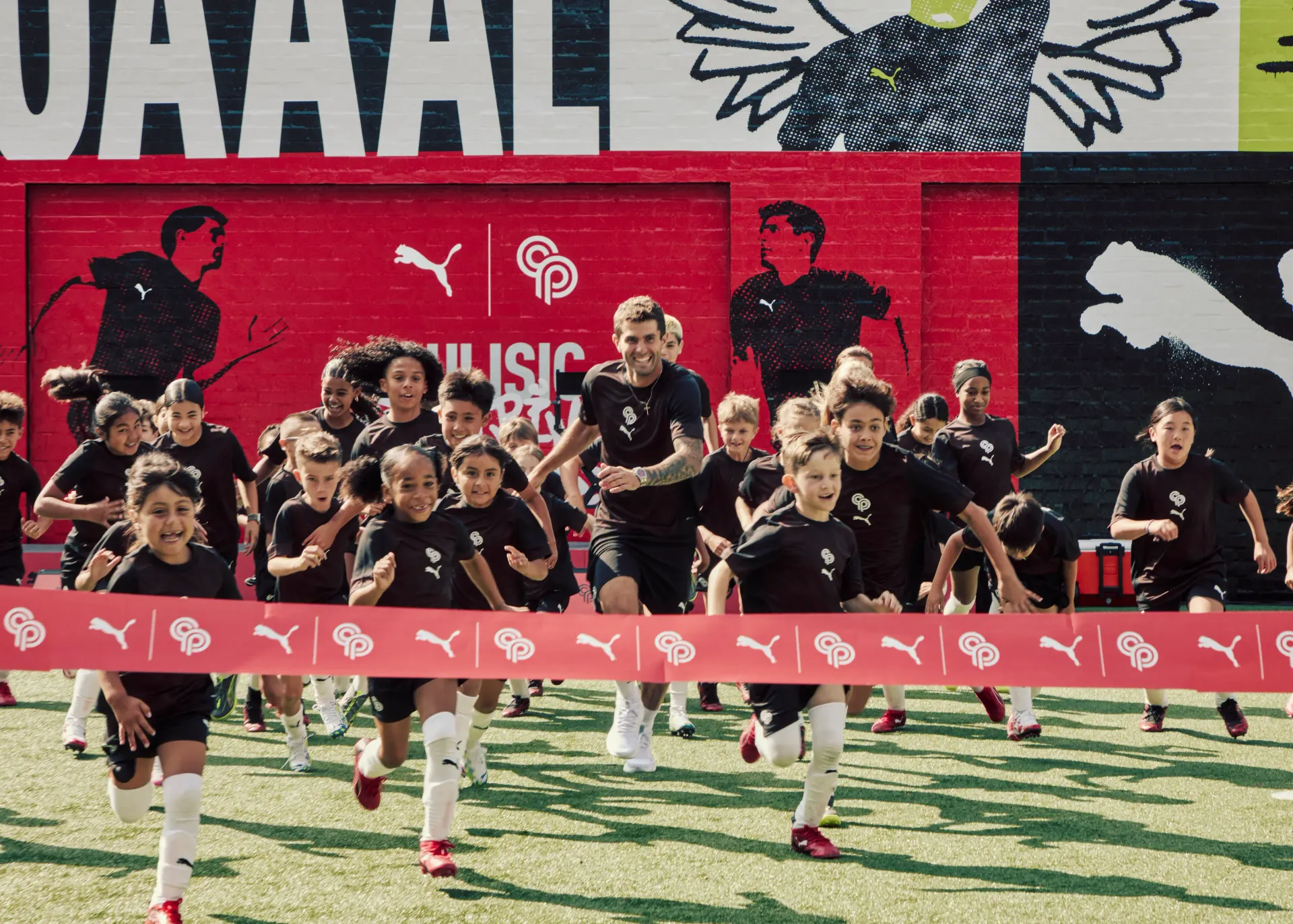
In a sport that continues to grow rapidly across the United States, few players have had as much influence on the game as Christian Pulisic. Known for his performances at the highest levels of European football and as captain of the U.S. Men’s National Team, Pulisic has become a symbol of what American soccer can achieve.
But beyond the spotlight, his impact is being felt in another way, through the Pulisic Foundation.